Organizations with distributed branches often rely on WAN links and ISP connections that may degrade without immediate visibility. LinkSense continuously validates connectivity between remote sites and central infrastructure, detecting latency spikes, packet loss or DNS failures before users escalate incidents.
This enables IT teams to proactively identify provider issues and maintain stable branch operations.
Applications deployed across on-premise data centers and cloud regions require consistent performance across environments. LinkSense monitors HTTP endpoints, TLS handshakes and network latency from multiple vantage points, helping teams detect regional degradation or cloud connectivity issues.
This ensures reliable service delivery regardless of deployment model.
For business-critical applications, availability and response time must be measurable. LinkSense executes scheduled active tests to validate service responsiveness and compare results against defined SLA thresholds.
This provides objective performance evidence for internal reporting or external commitments.
Network performance issues often correlate with backend system instability. By combining connectivity checks with SQL queries and SNMP polling, LinkSense helps teams correlate application responsiveness with database or infrastructure health.
This shortens troubleshooting cycles and improves root cause identification.
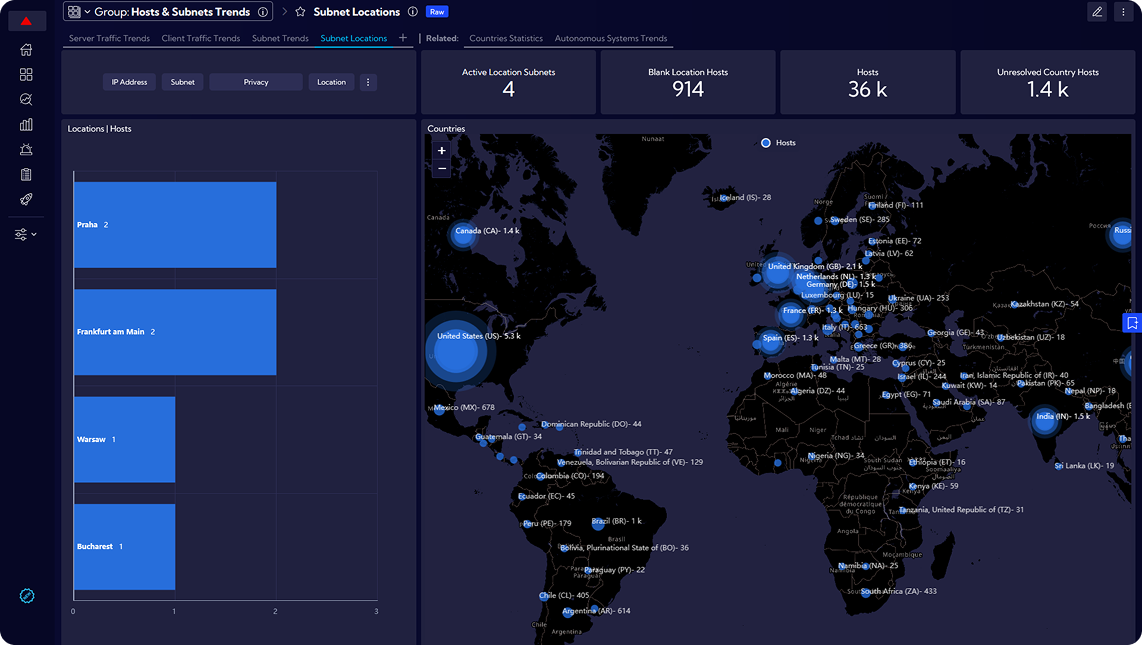
Full insight into the operation of the IT network, allowing to make quick decisions about resource allocation and actions to protect against unplanned downtime.
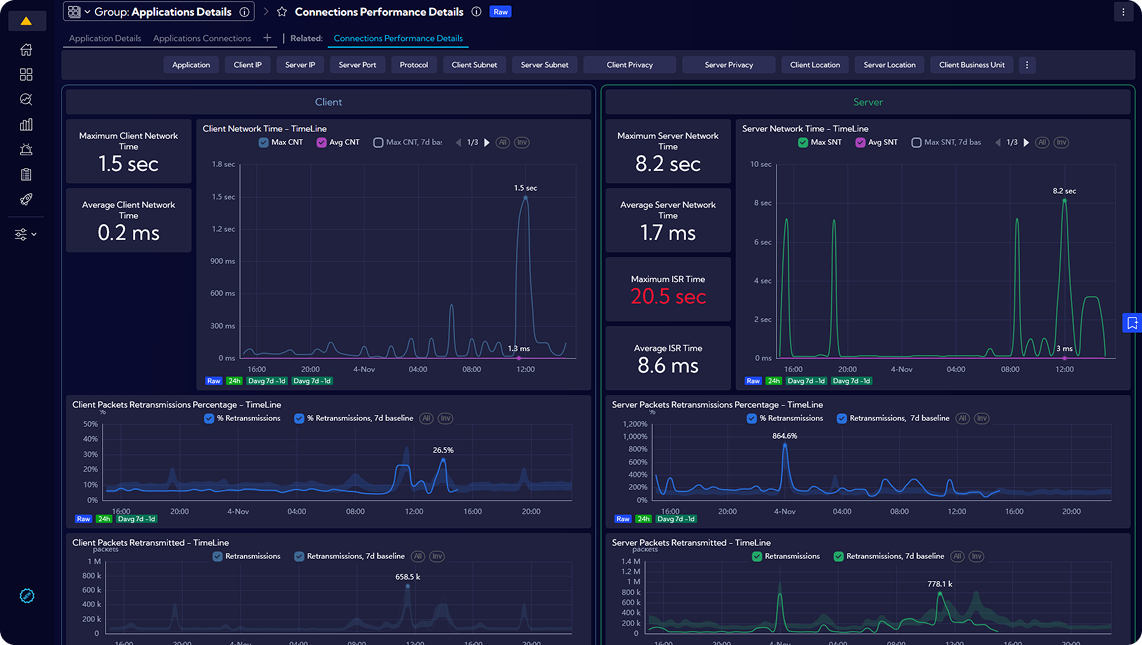
Critical performance metrics measurements in any infrastructure. Focused on L4-L7 monitoring, from TCP analytics to L7 app detection and apps response times measurements.
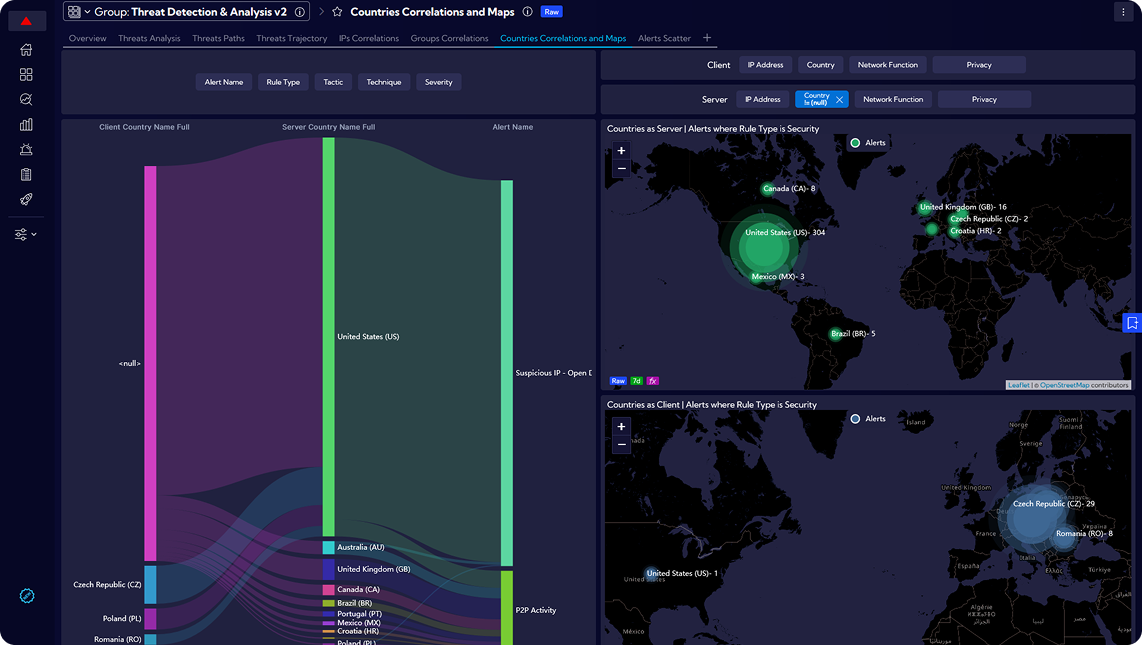
Sycope detects and analyzes security anomalies and threats across the entire organization using the MITRE ATT&CK framework. This helps identify real attacks faster and reduce the risk of breaches.
Real-time, automatic inventory tracking, monitoring devices and their associated assets using NetFlow data and dependency mapping.